Start seeds/seedings prior to spring.
Starting seeds indoors is one of the best ways to “buy time” before spring—especially if you want strong roots, thick stems, and transplants that don’t stall once they hit real weather.
The good news: you don’t need heavy fertilizers or complicated additives to get powerful seedlings. You need a clean setup, stable moisture, proper light, and a microbe-friendly approach that supports the plant from day one.
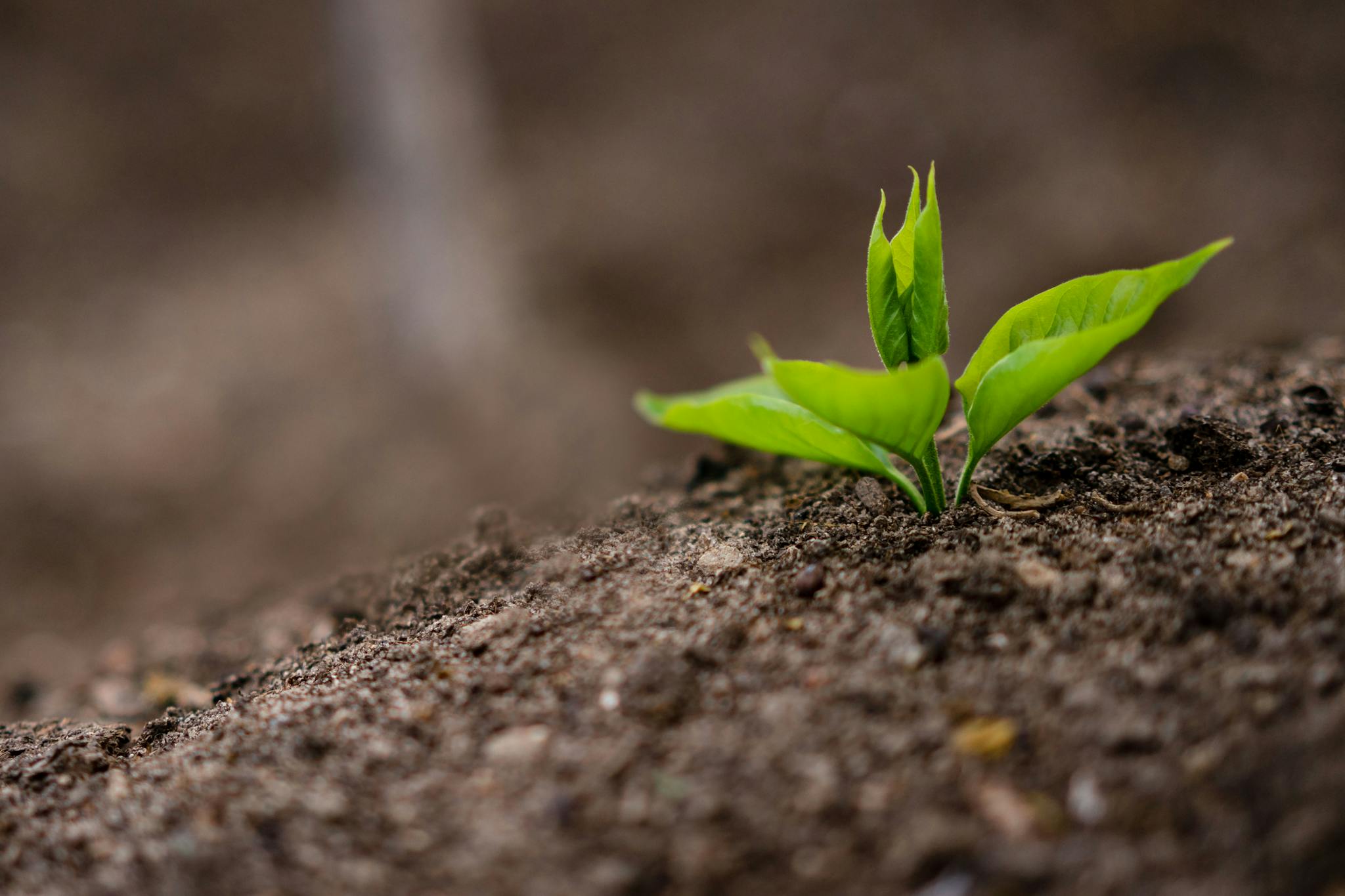
The goal (keep it simple)
Seedlings only need a few things to thrive early:
- Moisture control (not soaking wet, not bone dry)
- Warmth (for germination)
- Strong light (to prevent legginess)
- Airflow (to prevent damping-off)
- Gentle biology support (microbe-friendly inputs, not harsh salts)
When you dial those in, seedlings explode with healthy growth naturally.
Step 1: Time it right (so you’re not “too early”)
A simple rule:
- Most veggies: start 6–8 weeks before your last expected frost
- Peppers & slower growers: 8–10+ weeks
- Fast crops (some greens): 3–5 weeks
If you start too early, seedlings outgrow containers and get stressed before transplant time—then they stall outside.
Step 2: Use a light, clean seed-start medium
Choose a seed-start mix that:
- Drains well
- Holds moisture evenly
- Isn’t “hot” with strong fertilizer
Avoid mixes that are heavily amended with strong nutrients for tiny seedlings. Early on, roots are delicate—too much nutrition can burn, stress, or slow root development.
Pro tip: Pre-moisten your medium so it’s evenly damp like a wrung-out sponge.
Step 3: Give seeds a gentle “natural start”
Before sowing, you can support early rooting by using a microbe-friendly seed soak or a few drops on the seed (depending on your method and seed type).
A natural biological approach helps:
- Kickstart early root signaling
- Encourage stronger early rooting
- Support seedling resilience during the “tiny and vulnerable” stage
Keep it gentle: the goal is support, not forcing growth.
Step 4: Control moisture + airflow (this prevents most failures)
Most indoor seedling problems come from the same place:
Too wet + not enough airflow = damping-off risk.
Do this instead:
- Use a humidity dome only until germination (or crack vents daily)
- Add a small fan on low nearby (gentle movement)
- Bottom-water when possible to keep surface less soggy
- Let the surface dry slightly between waterings (not bone dry—just not swampy)
If you fix airflow and moisture, your success rate jumps fast.
Step 5: Light matters more than almost anything
Leggy seedlings happen when light is weak or too far away.
Simple targets:
- Provide bright light for 14–16 hours/day
- Keep lights close enough to keep plants compact (raise as they grow)
- Rotate trays if your light isn’t perfectly even
What you want: short internodes, sturdy stems, and leaves that look “confident,” not stretched.
Step 6: Transplant at the right time
Transplant when seedlings have:
- A stable stem
- Multiple true leaves
- A root system that holds the plug together (but not a tight root ball)
When potting up, use a living soil-friendly approach:
Keep biology supported and consistent
Don’t drown the root zone
Avoid harsh salt fertilizers
Quick checklist (pin this)
✅ Transplant before root stress
✅ Clean trays + fresh medium
✅ Warmth for germination
✅ Moisture like a wrung-out sponge
✅ Dome only until sprout, then airflow
✅ Strong light 14–16 hrs/day
✅ Gentle, microbe-friendly inputs
Call to action
If you want seedlings that root fast and transition smoothly into living soil, keep it simple and consistent. Natural systems work incredibly well—especially when you support biology early and avoid harsh inputs that disrupt it.